Recycled wool: a complete sustainability guide
- Jan 17
- 8 min read

Long before sustainability became a fashion industry buzzword, wool was being recycled in the hills of Prato, Italy. For over a century, craftspeople there have been transforming discarded wool garments into new fibres, a practice known locally as "carding" that turned necessity into an art form. What was once a way to make the most of scarce resources has become one of the most promising solutions to fashion's waste crisis.
Recycled wool takes existing wool textiles—whether factory offcuts or worn-out jumpers—and mechanically processes them back into usable fibre. The result is a material that retains wool's beloved warmth and breathability while dramatically reducing the environmental burden of raising sheep and processing raw fleece.
In our Fashion Sustainability Index assessment, recycled wool scores an impressive 92 out of 100, placing it among the most sustainable textile options available. Its standout performance comes from near-elimination of the farming impacts that make virgin wool resource-intensive, combined with the natural biodegradability that sets animal fibres apart from synthetics. That said, the recycling process does come with trade-offs worth understanding—particularly around fibre quality and the legacy chemicals that can carry over from original garments.
How it's made
The journey from discarded woolens to new yarn begins with collection and sorting. Textile waste arrives at recycling facilities in many forms: factory scraps from garment manufacturing, unsold stock, and post-consumer items that have reached the end of their wearable life. Each piece must be sorted by colour and fibre composition, a step that remains largely manual and requires skilled workers who can identify materials by touch and sight.
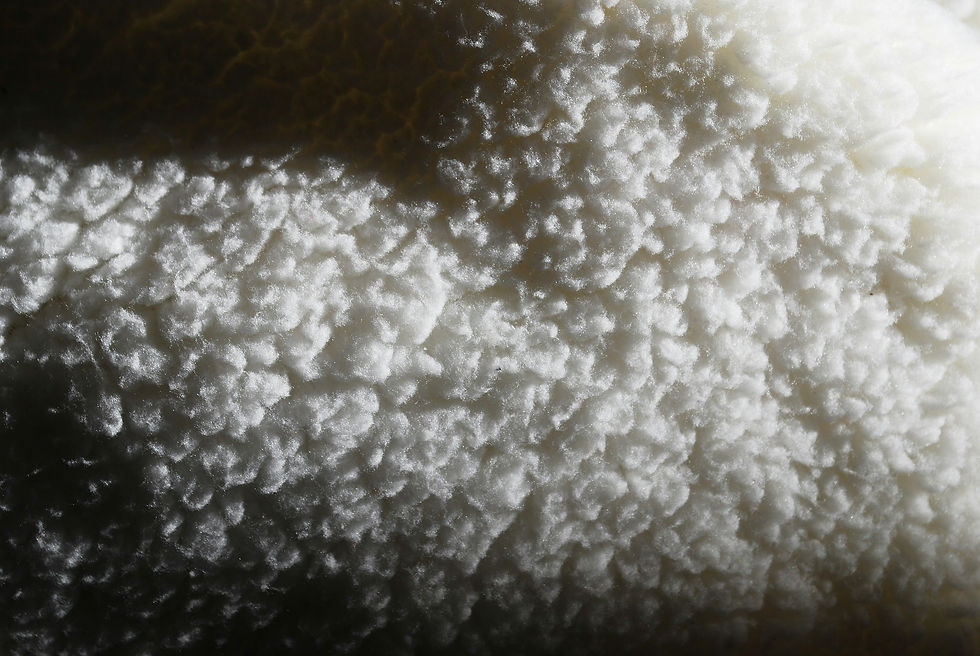
Once sorted, the textiles are cut into smaller pieces and fed through carding machines—large drums covered in fine wire teeth that pull the fabric apart and return it to a fibrous state. This mechanical process is remarkably low-tech compared to chemical recycling methods used for synthetic materials. The resulting fibres, sometimes called "shoddy" in the trade, are shorter and more varied than virgin wool but retain the essential characteristics that make wool valuable.

The Prato district in Tuscany remains the global centre for wool recycling, processing an estimated 15 percent of the world's recycled wool. Companies like Manteco have refined the process over generations, developing proprietary methods like MWool® that optimise fibre quality while minimising environmental impact. Because the wool is often pre-dyed from its previous life as a garment, colour-sorted recycled wool can sometimes skip the dyeing stage entirely, eliminating one of textile production's most water and chemical-intensive steps.
The recycled fibres can be spun into yarn on their own or blended with virgin wool or other fibres to achieve desired strength and consistency. From there, the yarn follows conventional textile production routes into knitted sweaters, woven coatings, blankets, and accessories.
Environmental profile
Understanding recycled wool's sustainability credentials means examining five key areas: carbon emissions, water consumption, pollution, chemical inputs, and what happens at the end of a garment's life. Each tells part of the story of why this material scores so well in our index.
Carbon footprint
Virgin wool carries a significant carbon burden, primarily from the methane emissions of sheep and the energy required for farming, shearing, and scouring raw fleece. Recycled wool sidesteps almost all of this. Life cycle assessments of mechanically recycled wool, including a peer-reviewed study of Manteco's MWool® process published in the journal Resources in 2022, indicate a carbon footprint of around 0.63 kg CO₂-equivalent per kilogram of fibre.
To put this in perspective, virgin wool typically ranges from 10 to 25 kg CO₂-equivalent per kilogram depending on farming practices and geography—meaning recycled wool can represent a reduction of well over 90 percent. The energy used in collection, sorting, and carding is minimal compared to the agricultural emissions avoided. This exceptional performance earns recycled wool a carbon score of 97 out of 100 in our assessment, placing it alongside the very best materials for climate impact.
It's worth noting that transport can affect these figures. With recycling capacity concentrated in specific regions, wool collected far from processing facilities will accumulate additional shipping emissions. However, even accounting for reasonable transport distances, recycled wool remains dramatically lower-impact than its virgin counterpart.

Water consumption
Water is where recycled wool truly excels. The reported water footprint for mechanically recycled wool is extraordinarily low—around 30 litres per kilogram in our assessment, compared to the thousands of litres associated with sheep farming and wool scouring.
The savings come from bypassing the agricultural stage entirely. Raising sheep requires grazing land that depends on rainfall, and the initial scouring of raw fleece to remove lanolin and dirt is a water-intensive washing process. Neither of these steps applies to recycled wool. The mechanical carding process uses little to no water, and when colour-sorting allows the fibre to skip re-dyeing, the savings compound further.
This dramatic reduction earns recycled wool a water score of 100 out of 100 in our index. However, transparency requires acknowledging a limitation in the data: while industry sources report these substantial reductions, the precise breakdown between green water (rainfall), blue water (extracted freshwater), and grey water (polluted water requiring treatment) is estimated rather than directly measured across all recycled wool production. Our confidence level for this material is therefore rated as medium rather than high.
Pollution
By avoiding sheep farming, recycled wool eliminates the agricultural pollution associated with livestock—including nitrate runoff from pastures and the environmental pressures of land use. The mechanical recycling process itself generates minimal pollution, involving primarily physical actions rather than chemical treatments.
However, recycled wool isn't entirely pollution-free. The original textiles being recycled may carry residues from their previous processing: dyes, finishing treatments, and in some cases shrink-resist chemicals applied to make wool machine-washable. These legacy substances don't disappear during mechanical recycling and may require additional cleaning or handling.
When recycled wool does need re-dyeing or finishing to meet product specifications, the pollution profile increases accordingly. The best-case scenario—colour-sorted wool used without additional wet processing—represents a significant improvement over virgin wool production. The more realistic scenario for many applications involves some additional processing steps that add to the environmental footprint.
We rate recycled wool's pollution level as low, translating to a score of 80 out of 100. This reflects genuine improvements over virgin production while acknowledging that legacy contamination and optional downstream processing prevent it from reaching the very lowest impact tier.
Chemical inputs
The chemical story for recycled wool is similarly nuanced. The recycling process itself requires minimal chemical inputs—mechanical carding is fundamentally a physical process of pulling fibres apart. No solvents, no harsh chemicals, no bleaching agents are inherently required.
The complication comes from chemical inheritance. Wool textiles entering the recycling stream may have been treated with a range of substances during their original manufacture: synthetic dyes, moth-proofing agents, flame retardants, and superwash treatments that use chlorine or polymer coatings to prevent shrinkage. These don't simply vanish when the fabric is shredded back into fibre.
For many applications, these legacy chemicals pose no practical concern. For others, particularly those seeking the strictest chemical safety standards, the unpredictability of recycled feedstock composition requires either rigorous testing, controlled sourcing, or acceptance of some uncertainty. Certifications like OEKO-TEX can verify that finished products meet safety thresholds regardless of their inputs.
We rate recycled wool's chemical level as low, yielding a score of 80 out of 100. This acknowledges the minimal chemical inputs of recycling itself while recognising that the material carries some complexity that virgin fibres with controlled production don't.
End of life
Here recycled wool shines again. As an animal fibre composed primarily of keratin protein, wool biodegrades naturally in soil and marine environments. Studies indicate that wool can break down within one to two years under normal soil conditions, with the timeline varying based on environmental factors like temperature, moisture, and microbial activity.
When wool decomposes, it releases nutrients including nitrogen, sulphur, and carbon dioxide back into the ecosystem—a sharp contrast to synthetic fibres that fragment into persistent microplastics. Wool has even been explored for agricultural mulch applications precisely because of this nutrient return.
The 12-month biodegradation benchmark we use for assessment places recycled wool at a score of 95 out of 100. It's worth noting that heavily finished wool products may take longer to break down, and garments containing blended fibres will only partially biodegrade. But the fundamental material returns to nature in a reasonable timeframe, closing the loop on the circular fashion promise.
The trade-offs
No material is perfect, and recycled wool's impressive sustainability credentials come with practical compromises that affect its applications and availability.
The mechanical recycling process inevitably shortens wool fibres. Where virgin wool might have fibres several centimetres long, recycled wool fibres are shorter and more varied in length. This affects the yarn's strength, consistency, and the range of fabrics it can produce. Ultra-fine knits and highly technical wool applications typically require the longer, more uniform fibres that only virgin wool provides. For many products—mid-weight knits, coatings, blankets, and accessories—recycled wool performs admirably, but it isn't a universal substitute.
Blending helps address quality limitations. Recycled wool is often combined with virgin wool, other recycled fibres, or small percentages of synthetics to achieve desired characteristics. These blends can offer good performance, but they complicate the material's otherwise strong circularity credentials. A sweater that's 70 percent recycled wool and 30 percent virgin wool delivers less environmental benefit than the headline suggests.
The supply of quality recycled wool depends on the availability of suitable feedstock. Wool-rich textiles without significant synthetic contamination are needed, and they must be sorted effectively by colour and type. Contamination from polyester blends, buttons, zips, and trims increases processing costs and reduces output quality. The industry can only recycle what it receives, and the global textile collection infrastructure remains patchy.
Geographic concentration presents another consideration. With Prato and a handful of other regions dominating global capacity, wool collected in Australia, the United States, or Asia must travel significant distances to reach recycling facilities. These transport emissions can add to the material's footprint, though they remain modest compared to the farming impacts avoided.
Finally, there's the question of what "recycled" really means in practice. Pre-consumer waste—factory scraps that never became products—is typically cleaner and easier to process than post-consumer garments that have been worn, washed, and potentially stained. Both qualify as recycled, but their environmental profiles and quality outcomes differ. Transparency about feedstock sources helps consumers understand what they're actually buying.
Buying and caring for it

When shopping for recycled wool products, certifications offer the most reliable verification of claims. The Global Recycled Standard (GRS) and Recycled Claim Standard (RCS) both verify recycled content through supply chain documentation. GRS is the more comprehensive of the two, including environmental and social criteria alongside recycled content verification. RCS focuses specifically on recycled content claims without the broader requirements.
For chemical safety assurance, look for OEKO-TEX certifications on finished products. These verify that the final garment meets safety thresholds for harmful substances, regardless of what was in the original feedstock. OEKO-TEX MADE IN GREEN combines chemical safety with environmental production criteria for a more holistic assessment.
Be wary of vague claims like "made with recycled materials" without specifics about percentage or certification. A product with five percent recycled wool and 95 percent virgin polyester technically contains recycled materials but delivers minimal environmental benefit. Look for products that clearly state the recycled content percentage, ideally backed by third-party verification.
Price is another indicator. Genuine recycled wool from responsible producers isn't necessarily cheaper than virgin wool—the sorting, processing, and certification systems cost money. If recycled wool products seem significantly cheaper than comparable virgin wool items, investigate what you're actually getting.
Caring for recycled wool follows the same principles as virgin wool. Wool naturally resists odours and doesn't need frequent washing. Airing garments between wears extends time between washes significantly. When washing is needed, use cool water, gentle detergent, and either handwash or a wool cycle with minimal agitation. Dry flat to maintain shape, and store with moth protection in warmer months.
Recycled wool is generally considered moderate in care requirements—more demanding than cotton basics but manageable for anyone willing to invest a little attention. The reward is garments that can last for years with proper care, ultimately delivering better value and lower environmental impact per wear.
The verdict
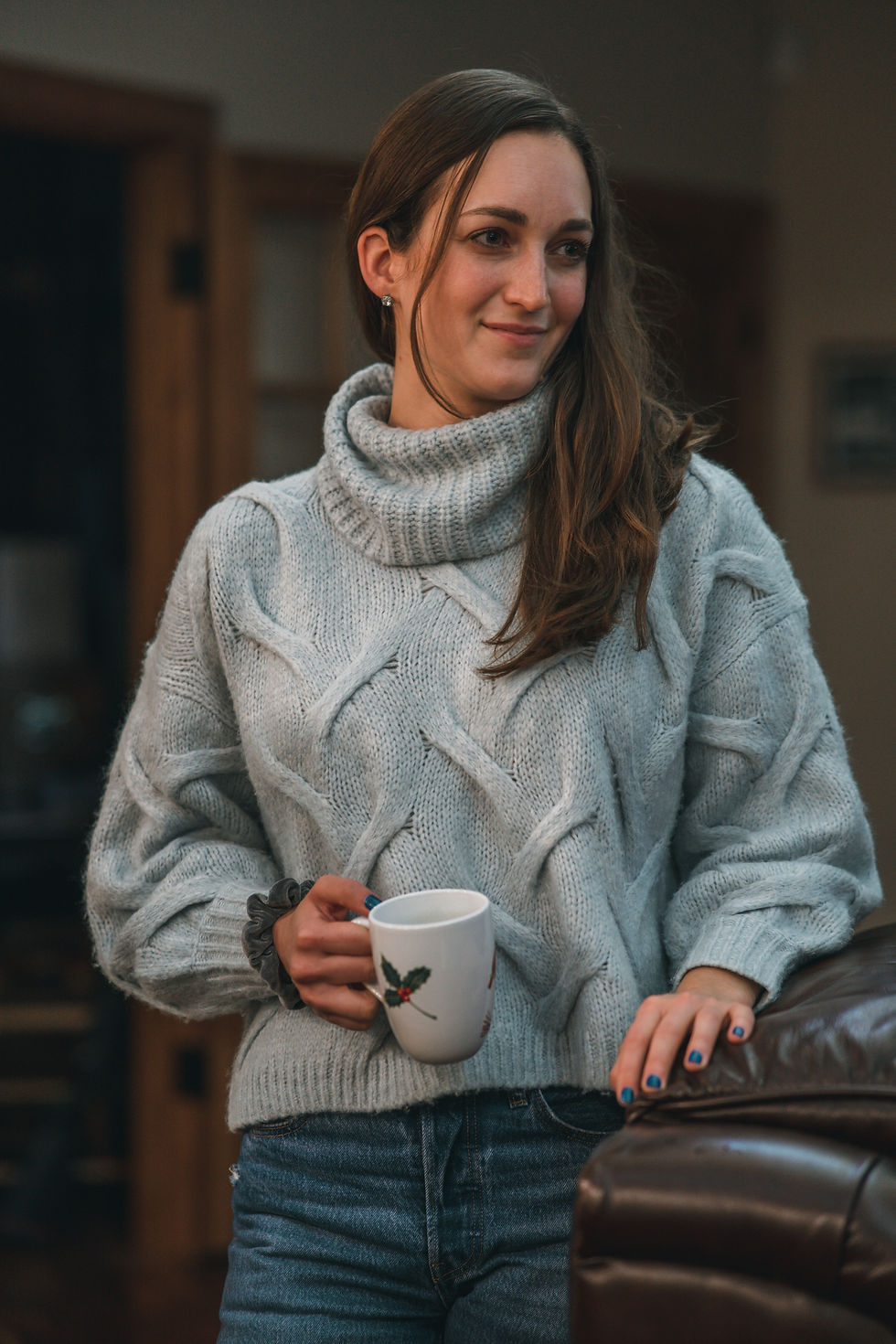
Recycled wool represents circular fashion at its most practical. By transforming textile waste into quality fibre, it dramatically reduces the carbon and water impacts of wool production while retaining the natural properties that make wool a genuinely useful material. Its score of 92 out of 100 in our Fashion Sustainability Index reflects these substantial benefits.
The material works best for those seeking warm, breathable textiles with strong environmental credentials and who appreciate that "recycled" comes with some quality variability. It suits mid-weight knits, outerwear, blankets, and accessories beautifully. Look for certified products with clear recycled content claims, and care for them properly to maximise their lifespan.
For anyone building a more sustainable wardrobe, recycled wool offers an excellent choice—proof that the most innovative solutions sometimes come from rediscovering what craftspeople in Prato have known for generations.


Comments